
All the Things That Never Happened
Ever read a rejection into an empty inbox? I did. I could even tell you which sentence the client disliked. By dinner, I’d also defended my life to someone who never asked and rehearsed the embarrassment of asking a question someone simply answered. How much of the day I was tired from had I made up
By Karimi Edwin
What happened today?
I think I talked myself out of a job.
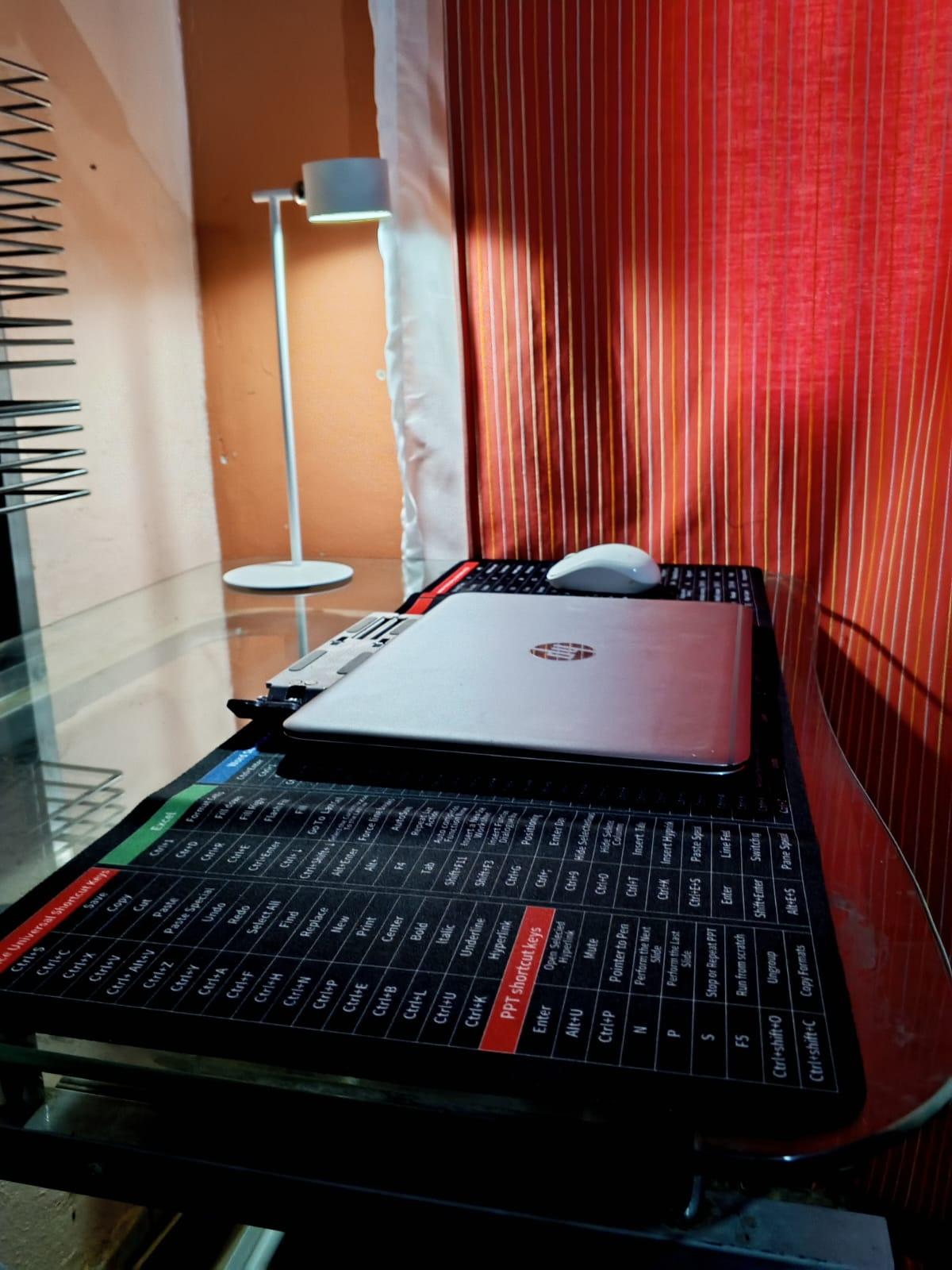
I’d just closed my laptop. I was tired, dinner was next, and for a few seconds that sounded like a fair account of my afternoon. Then I heard the obvious question.
What did the client say?
Nothing. I sent a proposal. They hadn’t answered.
It’s a small correction, although it leaves me with a rather different day to explain. I’d spent part of it working, part of it learning, and part of it looking for more work. That was enough to make a person tired. What I couldn’t account for was the feeling that I’d spent the day in company. I could remember the effort it took to defend my choices and the disappointment of hearing that somebody else had got the job.
The only person who actually spoke to me about any of this answered a question I asked during a lesson. We got along fine.
So whose company had I been keeping? I went back to the morning, when I was sitting alone at my laptop and somebody wanted to know what I did for a living.
So, what are you doing these days?
You probably know the question. Somebody you haven’t seen for a while asks it, and suddenly you have to decide how much of the last few years will fit into the minute before they have to go.
I’m working, I imagined telling them. I’m looking for something steadier as well.
That ought to have given them a turn to speak. Instead, I carried on. I explained the sort of work I could do, what I was learning, and where I hoped it might lead. Then I caught the two words I’d added to my answer.
For now.
What was wrong with the answer before I added that?
Well, it was true. That might have been what bothered me. I was working and I wanted steadier work. I wanted to say how things stood without anybody thinking this was how I’d meant them to turn out. For now was my way of asking an imaginary acquaintance to reserve judgment until I had better news.
If you told me you were looking for work, I’d probably ask what kind. You might know something I’m curious about. I might know someone who needs what you do. Yet when I pictured you asking about my life, I gave you none of that curiosity. I decided you were sizing me up before I’d even let you finish the conversation.
I knew exactly what a disappointed person would say. I’d expected to be more settled by this age. I remembered making plans on the assumption that work would take up fewer of my thoughts once the working day was over. It hurt to sit there doing work I knew how to do and admit that finding the next piece still took so much out of me.
There’s a younger version of me who thought he knew where I’d be by now, and I still take his estimate seriously. How he arrived at it is less clear. If somebody with his experience offered me career advice today, I’d have a few follow-up questions.
Still, I think I owe him a better imaginary conversation. If he could see me at my laptop, perhaps he’d ask what I was doing. I could show him something that took me a while to learn. He might even pull up a chair. I don’t know why I always assume he’d come all that way just to ask what was taking so long.
What did the client say?
Before I sent the proposal, there was one sentence I liked. I’d described a part of my work as a linguist that’s easier to understand if you can picture me doing it. I listen to a recording while reading the transcript a speech recognition system has produced, then correct the places where the words on the screen differ from what the speaker said. I liked having something that specific in the proposal. A client could read it and know what I could do for them. I sent it and got on with my day.
Some time later, I checked for a reply. Nothing yet. I opened the proposal again.
That sentence. A little thin, wasn’t it?
Perhaps I should have given an example. Someone with more experience would have known to give an example. Then again, someone with more confidence might have said even less. Within minutes I’d lost the job to two applicants who would have given each other terrible advice.
Hang on. Didn’t you like that sentence earlier?
I did.
What did you find out about it this afternoon?
Nothing. The words were the same. The client had offered no opinion. I’d opened the proposal feeling disappointed, heard disappointment in the way it read, and mistaken the sound of my own voice for a second opinion.
I’d always thought the worst part of waiting for a reply was the possibility of hearing no. That afternoon made me wonder. Give me a weak sentence and I have something to fix. Give me a missing example and I can go find one. Tell me someone else gets to decide, in their own time and for reasons I might never hear, and what exactly do I do between now and dinner?
Apparently, I edit a proposal I’ve already sent.
I wanted the work. Steadier income would change the kind of plans I could make. And yes, I wanted a stranger with a budget and other applicants to look at my experience and think, I could use someone who knows how to do that. There are days when you’d like somebody else to finish that sentence for you. You’ve said it about yourself often enough.
I’d asked a client whether they could use me for one project. By afternoon I was waiting for them to tell me whether the last few years had added up to anything.
Imagine the email arriving. Thank you for your proposal. Having considered the direction your life has taken... I wouldn’t read another line without wondering who on earth they thought they were. Yet in the absence of an email, I’d let them say the whole thing.
Could you go back one step?
That was the question I wanted to ask during the lesson. Six words. I had a fair amount of trouble with them.
I understood where we’d started. I could see where we’d ended up. In between, the person explaining had done something I couldn’t follow. I kept listening in the hope that the next part would clear it up. Soon I had two questions, and I strongly suspected the answer to the first would have spared me the second.
All right, ask.
In a minute. I want to get the wording right.
The wording was fine. I wanted to work in a little background about myself. I’d been paying attention. I’d understood the earlier material. Usually, given a moment, I could figure this sort of thing out. You’d have thought the person teaching had asked for character references before agreeing to repeat a step.
What I feared was the pause after the question. I imagined them going quiet while they worked out how far back they’d have to go for my benefit. Worse, they might remember how long I’d let them speak. If you lost me there, what have you been doing for the last few minutes? By then I felt almost guilty. I’d gone to a lesson to learn something and somehow ended up feeling I owed somebody an apology for needing to.
Eventually I interrupted. “Could you go back one step? I missed how you got there.”
They went back. This time, I saw what they’d done. I said I understood, and we carried on.
I’m trying to remember whether there was a pause. There may well have been. People sometimes need a second to work out which bit you mean. What I remember clearly is the explanation. By evening, I could still follow the step that had puzzled me. The expression I’d been so sure would stay with me? I couldn’t tell you.
Then a less comfortable thought occurred to me. Suppose they had wondered why I needed something so basic explained. Would that have changed much? They could think I ought to know it already and still teach me. I could feel foolish for a few seconds and understand everything that came afterward.
It does make me wonder how many questions I’ve called unnecessary because I didn’t like what asking them would let somebody know.
What would have been enough?
By evening, I wanted to close the laptop. I’d done the work in front of me. I’d sent the proposal. I understood something I hadn’t understood that morning. I could name each of those things quite easily until I asked myself whether I’d done enough.
Have you got steadier work?
I’ve applied for some.
Do you know where all this learning is taking you?
I know what I learned today.
And the client?
Still waiting.
That morning I’d given myself a proposal to write. By dinner I wanted a reply. Sometime in between, without consulting the other person involved, I’d made myself responsible for both ends of the correspondence.
A good reply would have helped, I thought. Then I pictured one arriving. The client wants to talk tomorrow. Good news. I know exactly how capable I am of spending the evening preparing for that conversation. Say they offer me the work outright. Better news. Now, before I close the laptop, perhaps I should make a start. Even on the best evening I could imagine, dinner was getting cold.
I wonder if you’d find it easier to tell a friend, “I’ve been worried about work all evening,” than to say, “I’m still looking, but I had a lovely evening.” I think I would. The first answer lets them know I understand the stakes. With the second, I feel an urge to add that I’ve sent a proposal and intend to get up early tomorrow. There it is again. For now. Even an evening I’ve enjoyed seems to require a short account of my plans.
If we stopped worrying for an evening, would we feel we’d stopped taking our lives seriously? I suspect that’s where some of us confuse worrying with taking responsibility. I’d taken care over the proposal because the opportunity mattered. Hours later, I was opening my inbox with the same sense of duty. From the client’s end, everything looked exactly as it did when I pressed send.
There’s one more reason I find it hard to leave things there. If bad news comes tomorrow, I’d like to be able to say I saw it coming. I picture myself enjoying dinner the evening before a rejection and somehow tomorrow’s news makes tonight’s pleasure look foolish. Yet if you told me you’d had a decent meal and slept well before a difficult day, I’d be glad you had that evening. It would never occur to me that you ought to have spent it getting a head start on feeling awful.
By then I was hungry. I thought again about the question I’d asked when I closed my laptop.
What happened today?
I worked. I sent a proposal with a sentence in it I had good reason to like. During a lesson I got lost, asked someone to go back a step, and understood the answer. For a few minutes, I’d let another person speak for themselves. They’d turned out to have something to say that I couldn’t have supplied on their behalf.
Tomorrow I might read that sentence again. For tonight, I could leave the proposal unanswered without answering it myself.
Nothing broke today.
Join the newsletter waiting list
Email delivery has not started yet. Leave your email and we will let you know when the newsletter launches.
Free to join. Read our privacy policy. To leave the list, request removal.